//////////////////////////////////////
ASIA PACIFIC'S LARGEST FOOD FESTIVAL


SYD
MLB
CBR


/////////////////////
STREET FOOD LIVE.
The Street Food Live events celebrate global street food culture. Each event brings together street food from around the world encompassing 5 different continents.
The Street Food Live activates venues and promotes the dynamic host city, its vibrant residents and the extravagant talents of local artists while preserving its rich and diverse culture. Venues are transformed into vibrant stages for exotic food, street art, music, cultural showcases and entertainment including live performances.
The events provide opportunities for visitors to indulge in diverse, distinctive and delicious flavours from select best street food vendors including food trucks, food carts, gourmet food stalls and hand-crafted beverages while enjoying the eclectic collection of tunes to chill out to. Host of performances showcases some of the best street talent and sub-cultural performances to keep visitors entertained.
The Street Food Live reaches and targets local residents of all ethnicities. The events appeal to mainstream audiences as well as international visitors / tourists and attracts people who live in both urban centres and from interstate. With income to dispose of and a lifestyle to maintain, visitors to events represent the 16+ age group AB socio economic demographic.
The Street Food Live offers a unique marketing and promotional opportunity across a number of placements and activities pre, at and post the event. Various levels of partnerships, sponsorships and festival participations are available. The Street Food Live is committed to environmental sustainability and the enhancement of the social and economic infrastructure of its localities.

/////////////////////
MILK N' SUGAR.
An exciting culinary experience that provides opportunities for visitors to indulge in a sweet range of distinctive artisan desserts and hand-crafted beverages, presented by selected vendors, including food trucks, food carts, and gourmet food stalls.
Through the use of exciting and engaging sensory experiences, these structured program delivers vibrant and creatively curated experiences consisting of exotic desserts, arts, music, and entertainment including everything from static displays to live performances.
.jpg)


GÖZLEME
////////////////////////////
Gözleme is a timeless Turkish delight, its origins steeped in the ancient soil of Anatolia. This delicate flatbread, with its thin, crisp layers and savory fillings like spinach, cheese, or minced meat, is griddled to perfection, evoking the warmth of communal kitchens and rustic hearths.
Its history reflects the region’s rich agricultural roots, as gözleme has long been a way to celebrate the bounty of local produce.

BURGER
////////////////////////////
Burgers have become an iconic symbol of American cuisine since their rise to popularity in the early 20th century. This classic dish features a juicy beef patty, often grilled to perfection, nestled between a soft bun, and layered with various toppings such as lettuce, tomato, cheese, and condiments.
Initially a staple of diners and fast food, burgers have since evolved into a versatile canvas for culinary creativity, enjoyed worldwide in countless variations.

COTTON CANDY
////////////////////////////
Cotton candy has been delighting crowds since its creation in the early 20th century, originally developed by a dentist and a confectioner. This whimsical treat, known for its airy, melt-in-your-mouth texture, is made from sugar spun at high speeds to create its signature fluffy, cloud-like appearance.
Traditionally a staple at fairs, carnivals, and amusement parks, cotton candy is celebrated for its vibrant colors and sweet, sugary taste. It symbolizes the joy and nostalgia of childhood, offering a nostalgic taste of fun and magic that continues to enchant people of all ages.

BAO
////////////////////////////
Bao is a contemporary fusion dish that combines the fluffy, steamed buns of traditional bao with the classic elements of a hamburger. Originating from innovative food scenes, bao features juicy patties nestled inside soft, pillowy bao buns, often accompanied by a variety of toppings like pickled vegetables, lettuce, and special sauces.
This inventive creation has gained popularity for its unique blend of textures and flavors, offering a fresh take on the classic burger experience.

SNACK PACKS
////////////////////////////
Snack pack is a popular street food that originated in Australia, known for its hearty, satisfying nature. This indulgent treat typically features a combination of hot chips (fries), savoury meat such as beef or chicken, and a variety of toppings, all smothered in rich gravy or sauce.
Initially a comfort food found at local takeaways and sports events, the snack pack has evolved into a beloved staple, celebrated for its convenience and flavorful, customizable layers.

PAELLA
////////////////////////////
Paella is a vibrant Spanish dish with roots in Valencia, dating back to the 15th century. Traditionally cooked over an open fire in a wide, shallow pan, this iconic rice dish blends saffron with a mix of ingredients such as seafood, chicken, rabbit, and vegetables, creating a rich, aromatic feast.
Today, paella represents the heart of Spanish cuisine and culture, often enjoyed during family gatherings and festive occasions. Its colourful presentation and complex flavours reflect the essence of Spanish culinary tradition, offering a communal dining experience that celebrates both heritage and taste.

Acknowledgement of Country
STREET FOOD LIVE, MILK N' SUGAR, SNACK OUT & UP IN SMOKE expresses its respect for and acknowledgement of the Aboriginal and Torres Strait Islander communities. We pay our respects to the Traditional Owners of country, including the custodial neighbouring communities on whose land works are created, performed and celebrated by STREET FOOD LIVE, MILK N' SUGAR, SNACK OUT & UP IN SMOKE. We acknowledge the continuing connection to land, waters and communities. We also pay our respects to Elders, past and emerging.


CAKE
////////////////////////////
Cake has a long and rich history, dating back to ancient civilizations where it began as simple, honey-sweetened bread-like creations in Egypt and Greece. Over time, the concept of cake evolved, especially with the introduction of refined sugar, butter, and eggs during the Middle Ages.
Once a symbol of status in the Middle Ages, cake has become a universal symbol of celebration and joy. Today, cakes are central to life’s significant moments, bringing people together in shared happiness and tradition.

DONUT
////////////////////////////
Donuts have a history that dates back to the early Dutch settlers in America, who brought with them the tradition of making "olykoeks," or oil cakes—simple fried dough. Over time, these treats evolved into the ring-shaped donuts we know today, with the addition of the iconic hole in the mid-19th century.
Today, donuts are a beloved part of global culture, symbolizing comfort, indulgence, and the joy of a sweet treat.

MACARONS
////////////////////////////
Macarons are delicate French confections with a rich history dating back to the Renaissance, when they were first introduced in France by Italian chefs. These airy, almond-based cookies, filled with ganache, buttercream, or jam, evolved over centuries into the colorful, refined treats we know today, especially gaining popularity in the 20th century.
Now, macarons are symbols of elegance and sophistication, celebrated for their vibrant colours and exquisite flavours that represent the artistry and precision of French patisserie

GELATO
////////////////////////////
Gelato traces its roots to Renaissance Italy, where it was first created for the opulent courts of the time. Unlike regular ice cream, gelato's slow churning process gives it a denser, creamier consistency, enhancing its rich, authentic flavours.
In today’s world, gelato stands as a global ambassador of Italian culinary tradition. Its silky texture and intense taste make it a favorite treat, evoking the essence of Italian culture with every delicious bite.

CANNOLI
////////////////////////////
Cannoli originated in Sicily, believed to have been created during the Arab rule in the Middle Ages. Originally a simple pastry, it evolved into the iconic dessert we know today: a crispy, fried shell filled with sweet ricotta cheese, often adorned with chocolate chips, candied fruit, or pistachios.
In modern times, cannoli have become a cherished symbol of Sicilian and Italian cuisine, renowned for their irresistible mix of crispy shells and rich, creamy fillings.

PAVLOVA
////////////////////////////
Pavlova is a dessert with origins rooted in the early 20th century, named after the Russian ballerina Anna Pavlova. Created in honour of her tour to Australia and New Zealand, both countries claim to have invented this light and airy meringue-based dessert, topped with whipped cream and fresh fruits like kiwi and berries.
Over time, pavlova has become a beloved dessert in both Australia and New Zealand, symbolising the elegance of simplicity.

PROFITEROLES
////////////////////////////
Profiteroles trace their origins back to the Renaissance, where they were first created in France or Italy. These delicate choux pastry balls, filled with cream and often drizzled with chocolate, evolved into a popular dessert in French patisseries, celebrated for their lightness and indulgence.
It has since become a beloved treat worldwide, symbolising the artistry and sophistication of French pastry-making.

WHERE EVERY BITE TELLS A STORY
AUSTRALIA ARE YOU READY?


CHIPS ON A STICK
////////////////////////////
Chips on a stick is a modern street food innovation that first appeared in the early 2000s, drawing inspiration from traditional potato chips and fairground snacks. The concept originated as a way to create a more portable and visually appealing version of the classic chip. By threading thinly sliced potatoes onto a stick and deep-frying them, vendors offered a fun and convenient twist on a beloved snack.
This inventive dish quickly gained popularity at fairs and street markets, celebrated for its eye-catching presentation and satisfying crunch.

TTEOKBOKKI
////////////////////////////
Tteokbokki, a cherished South Korean dish, traces its origins to the Joseon Dynasty as a royal court delicacy. Initially prepared with soy sauce, it underwent a significant transformation with the introduction of gochujang (Korean chili paste) in the mid-20th century, evolving into the spicy street food renowned today.
In contemporary Korea, tteokbokki represents more than just a meal; it embodies comfort and nostalgia. This versatile dish, enjoyed from street stalls to upscale restaurants, bridges social classes and fosters communal connections, reflecting the warmth and vibrancy of Korean culture.

SATAY (SKEWERS)
////////////////////////////
Satay, a revered street food across Southeast Asia, particularly in Indonesia, has a rich history that dates back to the 19th century. Originally brought to the region by Indian traders, the concept of skewered, grilled meat evolved into what we now know as satay. Traditionally made with marinated meat skewered on sticks and grilled over an open flame, it is served with a rich peanut sauce and often accompanied by rice cakes and cucumber salad.
Today, satay is a culinary symbol of Southeast Asia. Its widespread popularity across various countries highlights its role in bringing people together through shared meals.

BUFFALO WINGS
////////////////////////////
Buffalo Wings, a classic American snack, originated in Buffalo, New York, in the 1960s. Created as a flavourful, spicy appetiser, these wings are coated in a tangy, buttery hot sauce and often paired with celery and blue cheese dressing.
Today, they are celebrated for their role in creating a lively, communal atmosphere that fosters camaraderie and bonding among friends and fellow fans at sports bars.
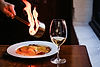
CRÊPES SUZETTE
////////////////////////////
Legend has it that this flambéed crêpe dish was named after a young English woman who dined at a Parisian restaurant. It features delicate crêpes served with a tangy orange sauce and often flambéed with orange liqueur.
Today, this elegant dessert continues to be a highlight at fine dining establishments and special occasions, showcasing the timeless allure of French gastronomic traditions.

TAKOYAKI
////////////////////////////
Takoyaki is a beloved Japanese street food originating from Osaka in the 1930s. These savoury octopus-filled balls are made from a batter of flour, eggs, and dashi, cooked in a special moulded pan to achieve a crispy exterior and a soft, flavourful interior. The name "takoyaki" translates to "grilled octopus," reflecting the key ingredient inside each ball.
Widely enjoyed at festivals and street markets, takoyaki is celebrated for its distinctive taste and playful presentation. Topped with takoyaki sauce, bonito flakes, and aonori (seaweed flakes), it represents a fusion of Japanese flavours and culinary innovation.

STROOPWAFEL
////////////////////////////
Stroopwafel is a traditional Dutch treat with origins in the city of Gouda in the 18th century. This delicious waffle consists of two thin, crisp waffle cookies with a caramel syrup filling in between. Originally crafted from leftover dough and syrup, stroopwafels quickly gained popularity for their rich, sweet flavor and delightful texture.
Often served with a hot beverage, they symbolize Dutch culinary heritage and are a beloved treat that bridges the gap between historical tradition and contemporary indulgence.

DUMPLINGS
////////////////////////////
What was once created in China to preserve meat and vegetables, dumplings evolved into a versatile dish enjoyed in various forms.
From Chinese jiaozi to Italian ravioli, and from Polish pierogi to Japanese gyoza, dumplings have transcended cultural boundaries, adapting to local ingredients and tastes. Their widespread presence underscores their role in fostering communal bonds and celebrating diverse culinary traditions, reflecting the shared human experience of enjoying food that brings people together.

UP IN SMOKE.
////////////////////////////
.png)
Barbecue is more than a cooking method; it’s a cultural celebration that binds communities.
From the smoky aroma of slow-cooked meats to the joy of shared meals, barbecue transforms gatherings into festive rituals.
Each regional sauce tells a story, weaving together traditions and flavours, making every bite a poetic tribute to connection and heritage.

KOREAN BBQ
////////////////////////////
Initially, meat was cooked over charcoal and seasoned with simple marinades, reflecting the Korean emphasis on natural flavours.
In the mid-20th century, Korean BBQ evolved with the introduction of modern cooking methods and ingredients, including the popularisation of marinated meats and eating it alongside a variety of banchan (side dishes).
This art of grilling and the joy of sampling diverse flavours celebrate both heritage and connection, making each meal a warm, shared experience.

BARBACOA
////////////////////////////
Barbacoa is a time-honored Mexican treasure, echoing ancient traditions from the Taíno and Aztec civilizations. Originally a method of slow-cooking meat over open flames or in earthen pits, this culinary art form has evolved into a cherished dish.
It reflects the country’s deep connection to its cultural heritage, blending ancient methods with modern tastes, and continues to be a symbol of communal dining and shared history.

ASADO
////////////////////////////
Asado is the heart and soul of Argentine culinary tradition, embodying the country’s deep connection to its land and people. Rooted in the practices of the gauchos—Argentina's iconic cowhands—this method of grilling meat over an open flame or charcoal has evolved into a cherished social ritual. Traditionally, asado features a variety of cuts, including ribs, sausages, and flank steak, cooked on a parrilla (grill) or asador (roasting pit) with minimal seasoning to highlight the rich flavours of the meat.
Today, asado is a vibrant celebration, where family and friends gather to enjoy perfectly grilled meats and each other's company, reflecting the warmth and hospitality that define Argentine social life.

SAUSAGE SIZZLE
////////////////////////////
Sausage sizzle is an iconic Australian tradition with roots in the early 20th century, where community groups and volunteers began hosting fundraising events featuring simple, grilled sausages served in bread with onions and condiments.
This casual, outdoor barbecue quickly became a staple of Australian culture, symbolising the country’s love for straightforward, hearty food that reinforces the value of communal support and social connection.

SUYA
////////////////////////////
A popular Nigerian street food that showcases the vibrant flavours of West African barbecue. Originating from the Hausa people of northern Nigeria, suya consists of skewered, spicy meat that is marinated in a blend of ground peanuts, spices, and chilli, then grilled over open flames.
It is a symbol of communal joy and cultural pride in Nigeria, enjoyed at bustling street stalls and social gatherings, reflecting the shared culinary heritage of the region.

JERK BBQ
////////////////////////////
Jerk BBQ is a culinary tradition with deep roots in Jamaica, originating from the indigenous Taino people who developed the method of slow-cooking meat over pimento wood. When African slaves brought their own spices and techniques, this method evolved into the vibrant and flavorful jerk we know today, characterized by a spicy marinade of Scotch bonnet peppers, allspice, thyme, and other bold seasonings.
Now, jerk BBQ is a symbol of Jamaican culture and resilience, representing the fusion of indigenous and African influences. It’s more than just a dish; it’s a celebration of heritage.

CEBU LECHON
////////////////////////////
Cebu lechon has a rich history rooted in the Philippines' colonial era, with influences from Spanish roasting techniques combined with local flavors. Over time, Cebu became renowned for its distinct version, where the pig is stuffed with aromatics like lemongrass, garlic, and green onions before being slow-roasted over charcoal, creating tender meat and crispy skin.
Today, Cebu lechon is a centerpiece of Filipino celebrations, symbolizing the country's culinary heritage and communal spirit. Its preparation, often a shared effort, reflects the values of togetherness and festivity, making it a beloved dish that connects Filipinos to their cultural roots.

SNACK
OUT.
////////////////////////////
Snacks are cherished, blending tradition and flavor, turning every bite into a vibrant, communal celebration of culture.
From the bustling night markets of Taiwan to the street vendors in India, snacks are celebrated as much for their flavours as for their role in social gatherings and traditions.
.png)